

Delterra is helping Brazilian cities reduce their emissions from waste and develop a circular economy
With nearly half of its municipal solid waste made up of organics, Brazil represents one of the world’s greatest untapped opportunities to cut methane emissions and drive circularity. Methane emissions from organic waste are one of the leading causes of climate change.
Yet today, less than 1% of organic waste is treated. This results in around 37 million tons of organic material ending up in landfills in Brazil each year – or about the same energy required to power 21 million homes annually.
The good news: Brazil already has the right foundations for change. About 93% of the population is covered by a waste collection service, and national policy is creating strong momentum for reform. The National Plan for the Reduction and Recycling of Urban Organic Waste (PLANARO) was formally launched during COP30 in Belém last year. The Plan foresees R$ 12 billion (USD$2.2 billion) in investments, destined for long-term assets such as machinery and infrastructure, which are crucial for the ecological transition of the sector. PLANARO establishes the goal of recovering 73.5% of urban organic waste (ROU) by 2050, with an intermediate target of 31.6% by 2030.
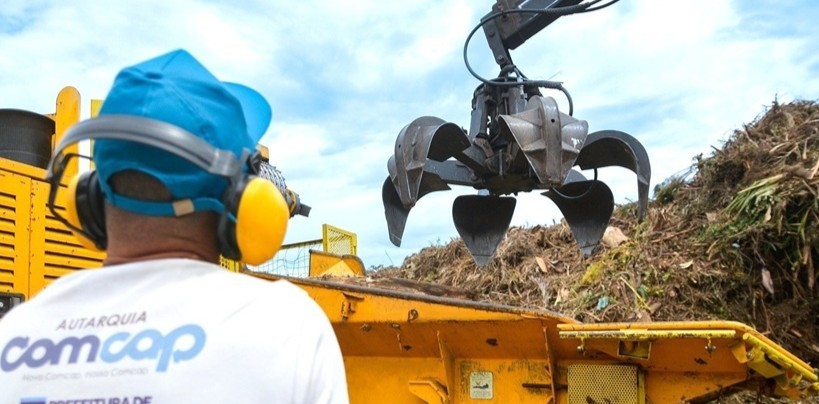
This combination of policy ambition and system readiness makes Brazil a fertile ground for testing scalable, high-impact solutions – and for Delterra, a natural next step after the success of our organic waste pilots in Argentina.
Designing a blueprint for scale
Drawing on lessons from Buenos Aires and other Argentine cities, Delterra developed a cohort-based approach for selecting new cities to work with. The goal: to test, learn and refine solutions that can accelerate change across multiple regions.
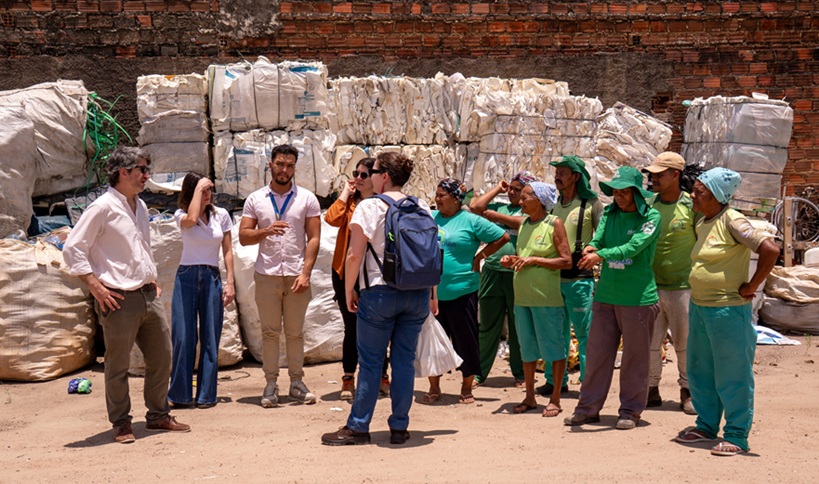
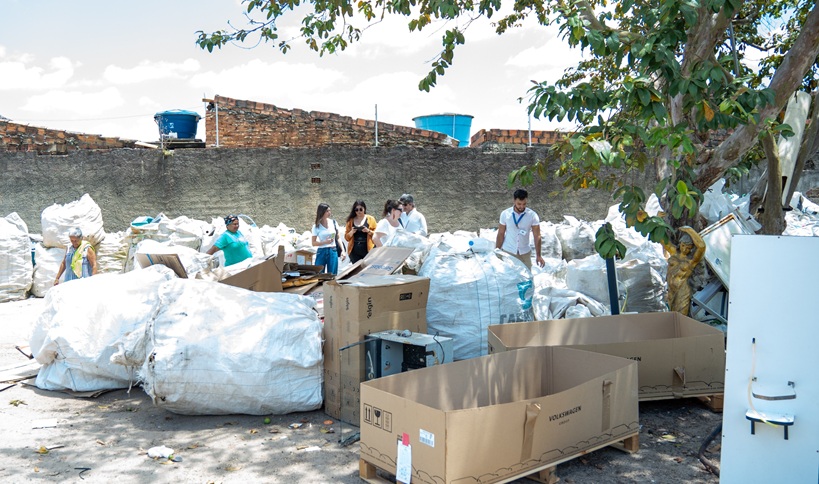
In a project co-funded by the Climate and Clean Air Coalition (CCAC), we began by inviting cities across Brazil to apply to be part of our program. More than 30 municipalities and consortia from all five regions applied. Through a rigorous selection process – including more than 30 hours of interviews, eight site visits and assessments of 12 waste cooperatives – we evaluated each city’s political commitment, technical capacity, infrastructure and readiness to collaborate with local cooperatives, as it relates to their waste management systems and objectives.
From this process, three cities emerged as our starting point: Arapiraca (Alagoas), Contagem (Minas Gerais) and Florianópolis (Santa Catarina). Each represents a different regional context and set of challenges, yet all share a common opportunity to improve organic waste recovery.
Why these cities
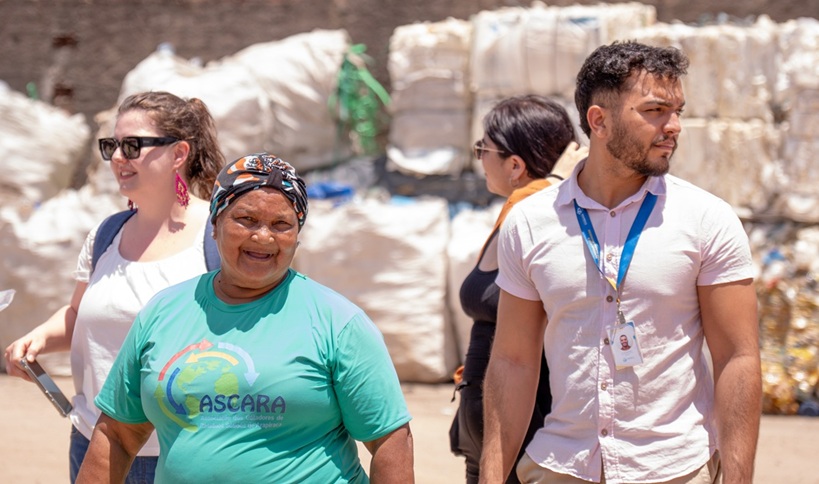
- Arapiraca – Mid-size city, previously agricultural and growing exponentially in the service sector, especially in commerce; now starting to segregate collection system.
- Contagem – Large, industrial city within a metropolitan region; has segregated collection for some time, but with room to improve effectiveness. Its landfill, the largest in the state, began closure in 2023 and is scheduled for complete closure soon.
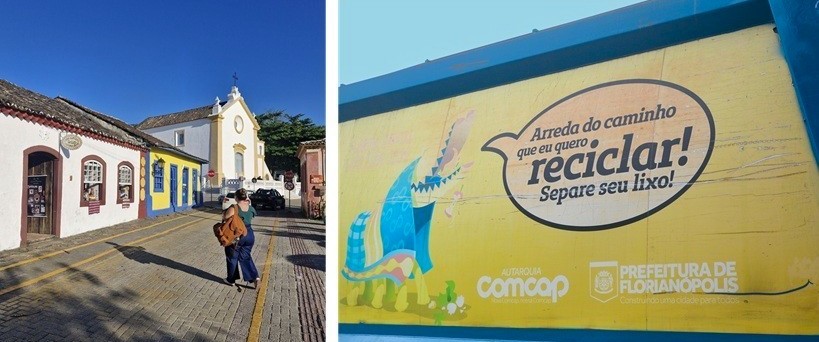
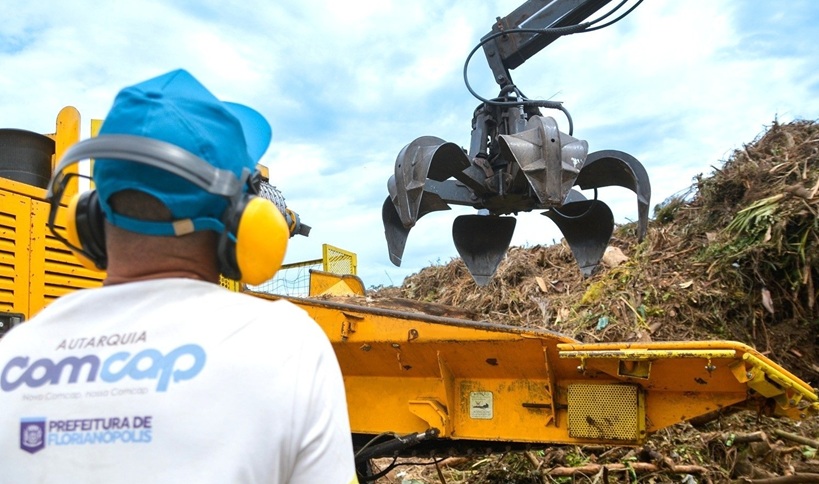
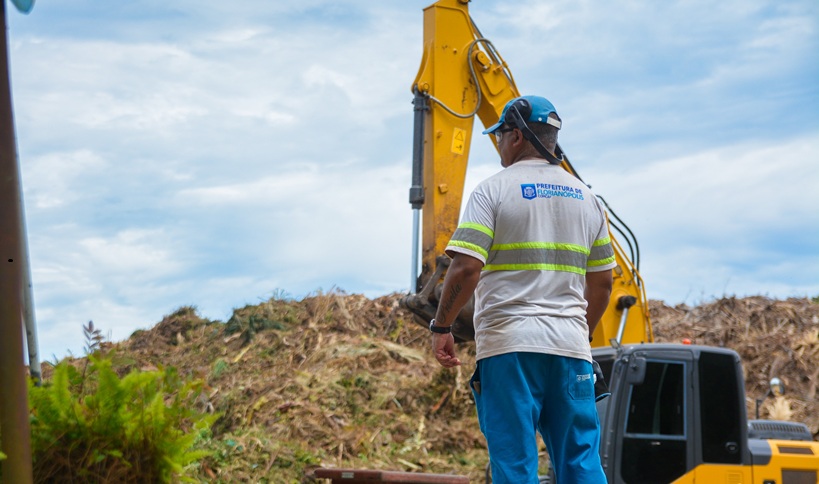
- Florianopolis – Large, island city and capital of the state; a lot of investments in various collection systems and engagement programs, but struggles with data management and communication.
Together, these cities provide a living laboratory for testing diverse approaches across Brazil’s geographic, social and economic contexts.
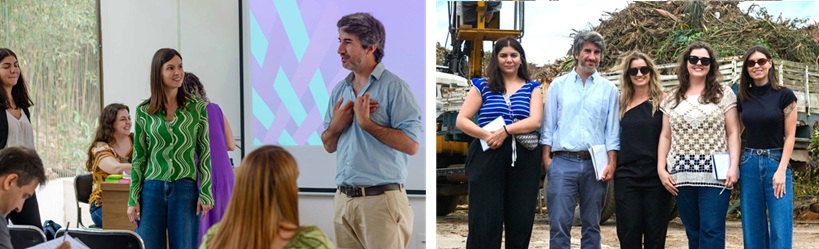
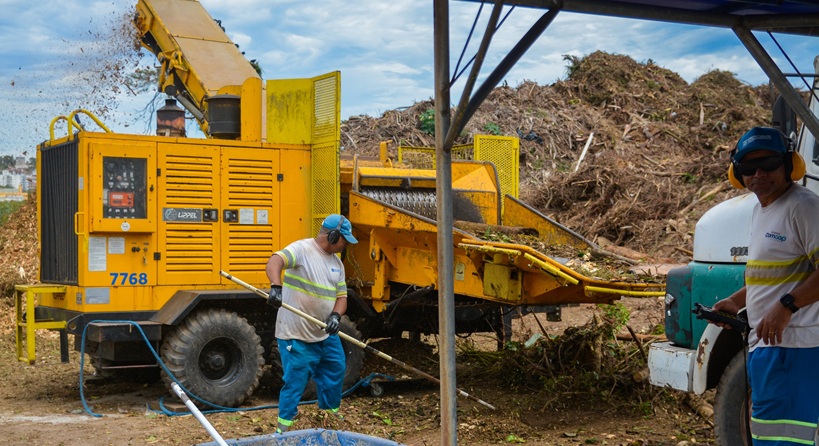
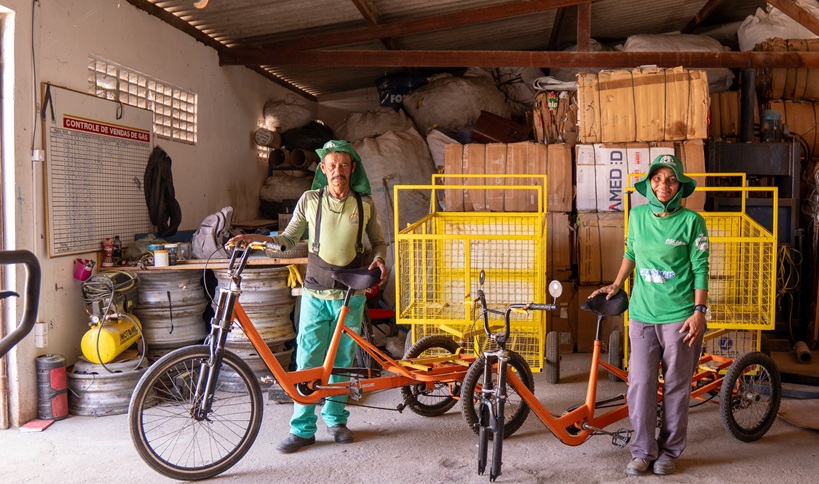
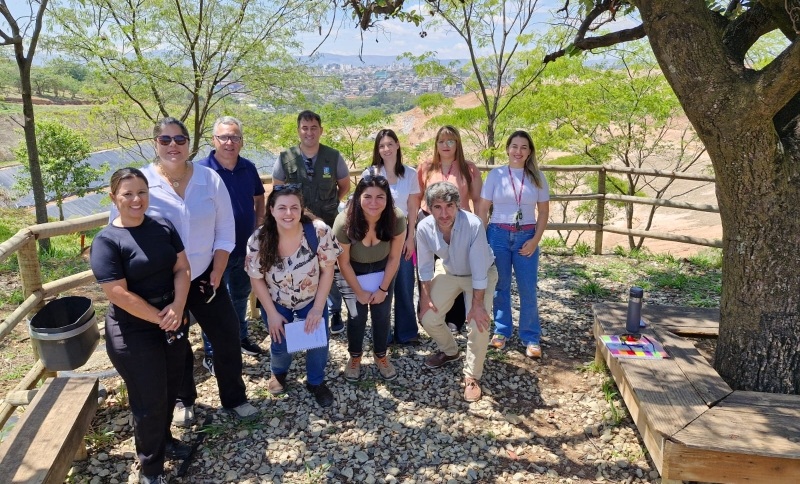
| We recently visited the three cities to explore the next steps beyond our initial organics work: 📣 Feature on Arapiraca’s city website | 📣 Feature on Contagem’s city website |
Establishing the evidence base
To help cities make informed decisions, Delterra first focuses on establishing emissions baselines and diagnostic assessments using the Global Methane Initiative’s SWEET Tool – a robust model that quantifies greenhouse gas emissions under different waste management scenarios.
In collaboration with our partners within the municipal governments, we collected data on waste generation, treatment and disposal, then modeled alternative pathways such as composting and methane recovery. These baselines revealed what we see across much of Latin America: even modest increases in organics diversion can yield major climate benefits.
For instance, in a typical mid-size Brazilian city of 200,000 to 700,000 inhabitants, recovering just 5% of total organic waste through composting could save between 468 and 1,638 tons of CO₂e emissions every year. Across hundreds of cities, that represents enormous cumulative potential.
From data to action
Beyond baselining, we’ve started to work hand-in-hand with municipal teams to translate diagnostics into practical plans.
For Arapiraca, we created a phased composting roadmap, identifying how the city can progressively launch and scale organics diversion. In Florianópolis, we gathered insights from a baseline assessment to help shape tailored interventions focused on collection, data systems and public engagement. In Contagem, we focused our research, data analysis and diagnosis on the existing waste system to identify key gaps and opportunities, translating evidence into practical actions for system improvement.
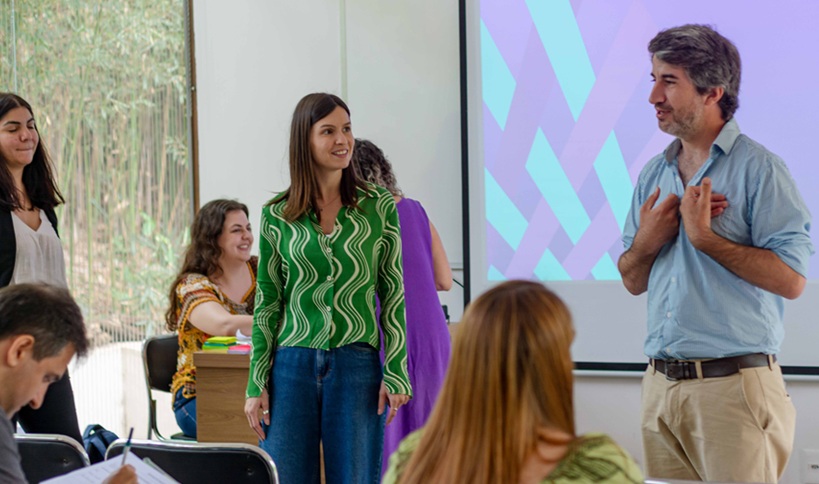
These efforts are reinforced through continuous city engagement. Since January 2024, we’ve convened a series of learning sessions with partner municipalities – first to understand their realities and challenges, then to foster collaboration. Later meetings introduced cross-city exchanges, where representatives shared experiences and lessons from Delterra’s pilots in Argentina. Most recently, cities presented their own emissions baselines, sparking peer-to-peer discussions on the best paths forward.
Laying the groundwork for transformation
 This work marks just the beginning of Delterra’s vision for Brazil. It sets the foundation for the next phase of our engagement, guiding targeted interventions, planning and capacity-building initiatives with the cities.
With full funding and partner support, the model can expand state-wide and even nationally – aligning with Brazil’s PLANARO targets while helping cities unlock circular value from waste.
The work is not without challenges. Many municipalities lack reliable data or face limited operational capacity. But by combining technical diagnostics with behavior-change strategies, local partnerships and hands-on capability building, we’re helping cities bridge the gap between ambition and action.
Learning across borders
Just as Buenos Aires became a blueprint for large-generator waste optimization, Brazil’s first cohort of cities is shaping what waste recovery can look like across diverse urban contexts. Each project deepens our understanding of what works – and how to make it work faster, cheaper and more equitably.
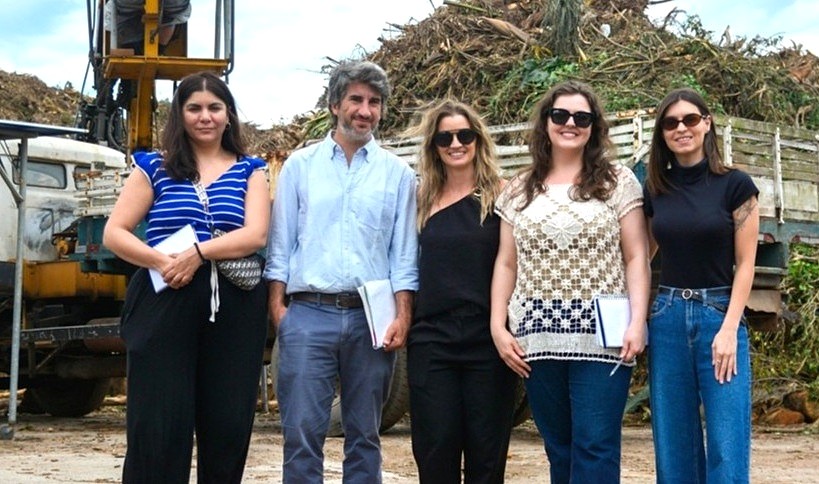
Recent visits from our Argentine teams to the three cohort cities, alongside our Brazilian team, helped transfer knowledge across borders as we expand further on our work in Brazil.
By turning evidence into action, Brazil is proving that even small steps toward composting and organics recovery can translate into big climate results. And with thousands of cities poised to follow, the opportunity to reshape how Latin America manages its waste – and its methane emissions – has never been clearer.
| Subscribe & Share
Sign up for our newsletter to stay up to date on future work! >> Delterra: Stay Updated |
Photo Gallery

References:
(2) National Solid Waste Plan (PLANARES) | Cooperativa Sul Sul Trilateral
(3) https://www.sciencedirect.com/science/article/pii/S2772427123000621
(4) High-level estimative based on national data of generation and composition of waste and considering that 1t of composted organic waste saves~0.28t of CO2e if compared to landfilling – https://www.bdtd.uerj.br:8443/handle/1/16681