

How behavior change and responsive systems are reshaping organic waste management in Bali
An integrated approach – co-funded by the Global Methane Hub – is helping communities sort more waste, strengthen local collection systems and unlock real methane reduction potential.
Methane emissions from organic waste are a major climate challenge for Indonesia, but also one of its most overlooked opportunities. In Bali’s Badung regency, organic waste accounts for up to 70% of waste generated, overwhelming landfill capacity and accelerating methane emissions – 86x more potent than CO2 in the short term – when not separated and treated properly. For years, communities, collection teams and processing facilities have struggled under the weight of rising waste volumes and inconsistent sorting.
Against this backdrop, Delterra’s projects to address organic waste are showing that meaningful transformation is possible. By working on system-level improvements, we are helping reshape how organic waste is separated, collected and processed.
The approach is simple but effective: when people understand how to sort waste, when collection systems reinforce that behavior and when processing capacity matches rising volumes, organic waste can be recovered at scale.
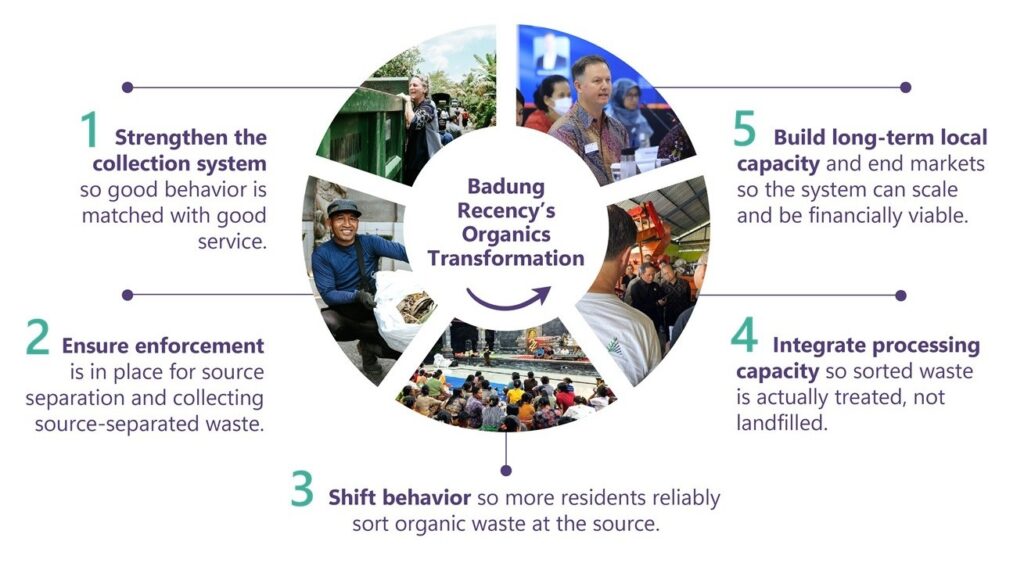
The Systemic Strategy Behind
Delterra’s approach in Badung is built on five mutually reinforcing pillars. Each reflects a practical action paired with measurable impact and is driving the momentum now building in Badung.
➤ Action 1 | We brought education directly to households and businesses, one doorstep at a time
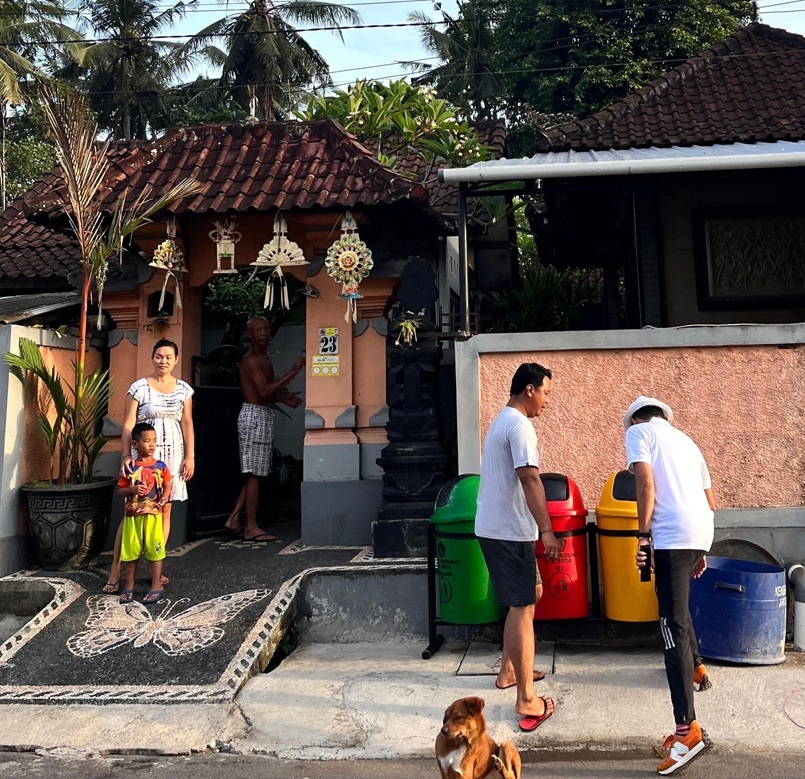 Behavior change does not happen through posters or speeches alone. It happens through conversations.
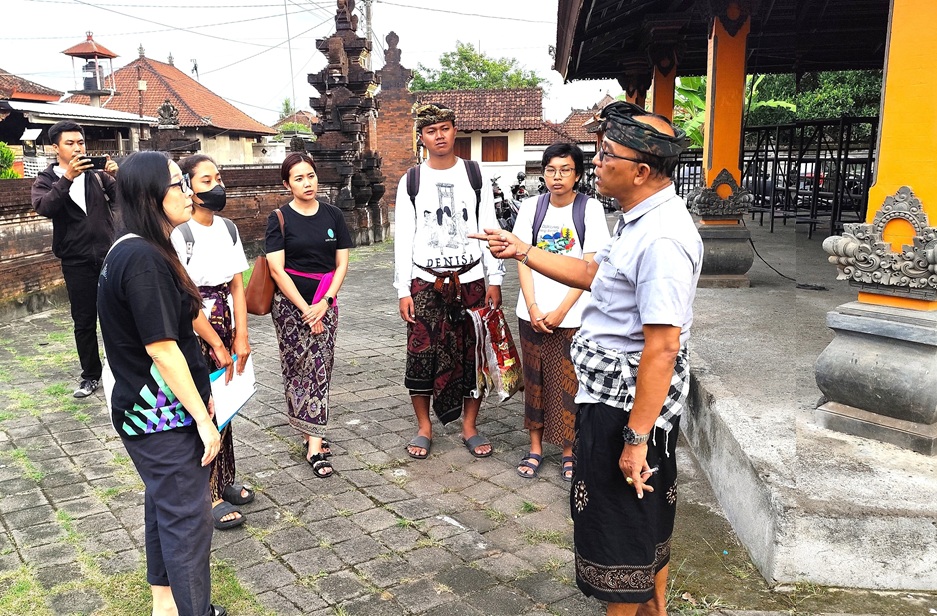
Delterra, delivery partners, village cadres and environment department (DLHK) teams went door to door, explaining how to sort waste into the provided three-colored bins or containers and why it matters. Stickers helped households track whether they were sorting correctly. Residents could see their progress and feel part of something larger.
Impact:
With education layered onto enforcement, the program expanded from 2 to 19 routes and is now reaching ~1,850 households and businesses across nine . This expansion is not only geographic, it also represents thousands of small, everyday decisions made differently. This separation helped to reduce contamination in the organic waste collected.
➤ Action 2 | We aligned collection schedules and rules with residents’ new habits
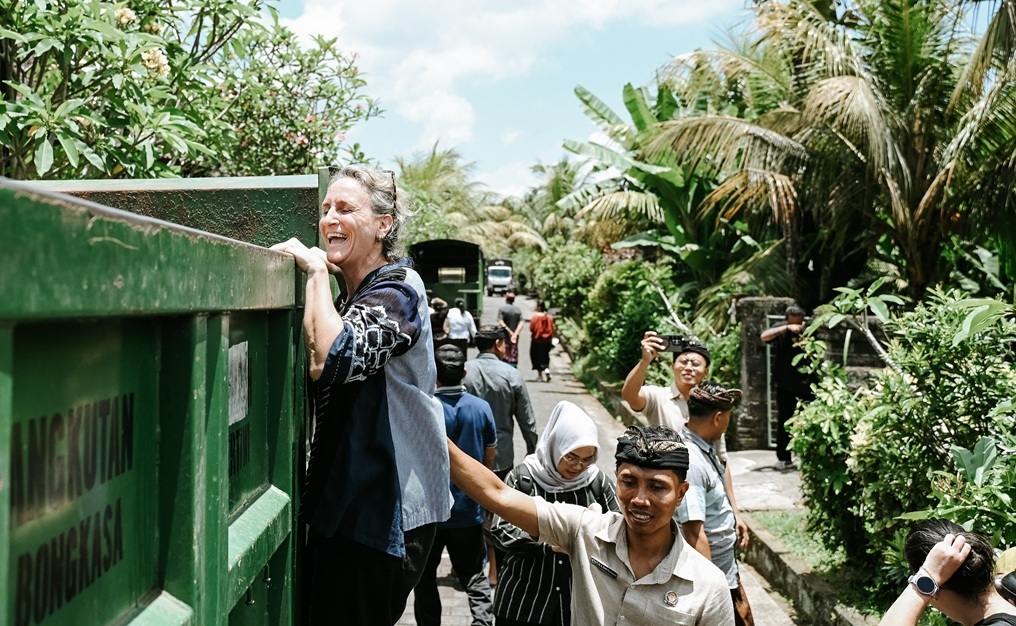
Behavior change sticks only when collection systems keep up. If residents sort correctly but the service fails them, trust erodes. To avoid this, we helped organize a clearer schedule, based on measured waste volumes and composition, across all collection routes: organic waste is collected four days a week, residual waste two days a week and recyclables every day. This cadence reinforces the value of organic waste and anchors the sorting habit.
Impact:
Residents gained predictability, collection teams gained clarity, and the system became more reliable for everyone involved. Pickups reinforce the separation behaviors and drive the processing capacity in facilities.
➤ Action 3 | We introduced a rule to rewire daily habits.
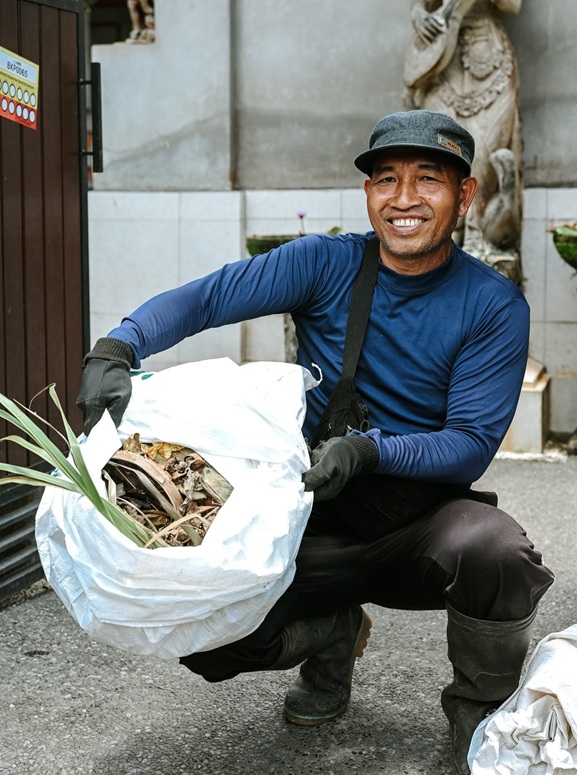 Residents are encouraged to sort waste, but without a clear incentive, behavior often drifts. To break that pattern, Delterra aligned with stakeholders to pilot a No Sorting, No Collection (“NoSoNoCo”) policy, starting with 19 collection routes run by the environment department (DLHK) of Badung regency.
The rule states that waste is collected only if properly separated. It is a tough but fair standard that quickly establishes new expectations. It also makes sorting a visible community norm rather than a private choice, when unsorted waste is left uncollected in front of houses.
Impact:
Within seven months, the amount of collected source separated organic waste coming to the regency level facility increased by 8x (15 tons/month to ~125 tons/month), with the source separation rate climbing from 0% to ~55%. Monthly volumes of source-separated organics increased from ~15 tons to ~125 tons by August 2025. These are significant shifts in a short period, showing how quickly habits can change when the system supports them.
➤ Action 4 | We partnered with Department of Environment and Sanitation Badung Regency and village leaders to embed the model in local governance.
DLHK Badung leaders and local leaders play a crucial role in normalizing new practices. Their involvement signaled that the model was not a temporary project and required continuous supervision from the government. They reinforced rules, monitored worker adherence and used performance data to identify where adjustments were needed. Like any new government system and practices, maintaining this can be challenging but can be helped by regular monitoring and coordination.
Impact:
This governance layer created accountability at every link in the chain – from households to collection teams to supervisors. It also helped maintain momentum during operational challenges.
| We connected village-level sorting to regency-level processing.
Sorting is only half the story. Unless sorted organics are processed effectively, much of the value is lost. In addition to NoSoNoCo at 19 waste collection routes, we have started to work with villages and private homes already source separating in Badung to link village-level recycling centers (TPS3R) with PDU Mengwitani, the regency’s main organic processing center.
Impact:
This integration diverted ~2,400 tons of organic waste from landfill between September 2024 and October 2025. As volumes grew, the environment department (DLHK) process up to 20 tons per day. Processing upgrades ensure the rest of the system can scale without bottlenecks.
➤ Action 5 | We invested in long-term capacity so the system can thrive beyond the pilot.
Delterra continues to train government staff on the components of No Sorting No Collection, including how to produce implementation materials, monitor performance and address operational gaps. These trainings equip local teams with the tools needed to carry the model forward. For the system to be financially viable over time, processed organics also need reliable end-buyers and offtake markets that can absorb compost or other outputs at scale.
Impact:
With strengthened capacity, the environment department (DLHK) is preparing to expand the model to more villages, more routes and business districts across Badung. Engagement with provincial and national leaders is also paving the way for wider adoption. This is no longer a pilot – it is becoming a platform for long-term methane reduction.
A Model Ready for Scale
The early results in Badung demonstrate that organic waste recovery can be dramatically improved through coordinated system interventions. The power lies in aligning behaviors with systems, and systems with processing capacity. By building these connections step by step, Delterra is helping communities keep organic waste out of landfill, strengthen local services and reduce climate impacts.
Bali is showing what is possible to scale to other parts of Indonesia.
The next step is to strengthen links to end-buyers and offtake partners, so increased processing capacity is matched by real demand for the recovered material and can contribute to the long-term economics of the system.
Watch the Change in Action
Watch more of our work in Indonesia in this video.