Delterra’s work addressing Supply and Demand
We are in the midst of a chronic waste crisis.
Despite renewed commitments by businesses and policymakers to support the transition to a circular materials system, we are polluting our world at a rate higher than ever before. The circular materials system demands recycled material, yet many regions struggle with overflowing landfills, informal dumping and burning of waste, and are unable to recover the valuable resources from their waste streams.
Why is it that some regions’ efforts to improve waste management barely make a dent in waste flows, while others make steady, ultimately transformative progress towards their zero-waste, low-emission vision? What makes the difference?
Delterra’s experience has shown that to be successful at scale, regions need to take an integrated, holistic approach to designing their waste management systems.
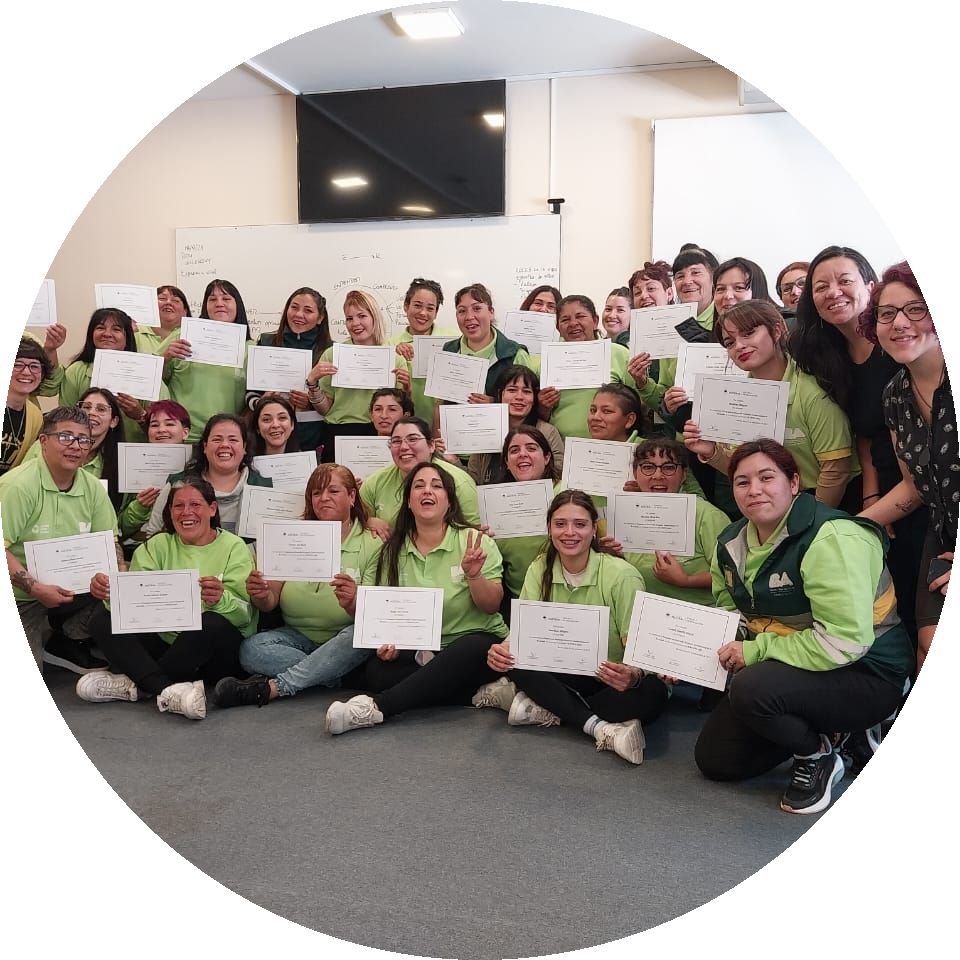
Examples of our work in collaboration with regions across the globe
Our theory of change for fixing recycling: Our overall goal is for every community to have green, inclusive, and economic recycling systems, to help achieve a world free of waste. How do we get there? Our strategy and programs are designed around a logical sequence that we’re testing:
We explored different units of scale in the early years of our ground work. Our current hypothesis is that the right unit of scale differs by country or region, even if the solution is largely the same, since different entities hold decision-making power regarding waste.
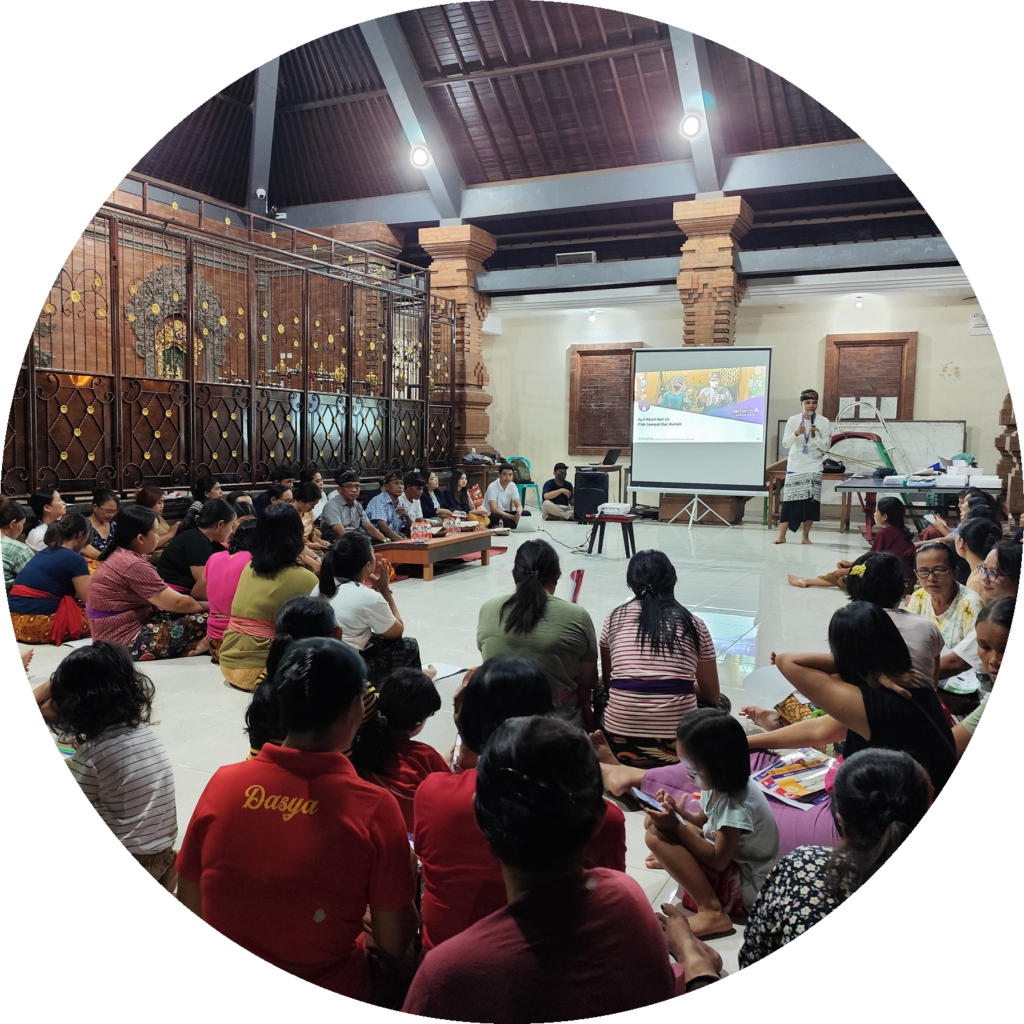
For example: in Argentina, we believe it is the municipality, and in Bali, we believe it is the regency. Ultimately, these equate to local-level work from which we base our single unit of scale.
Reports
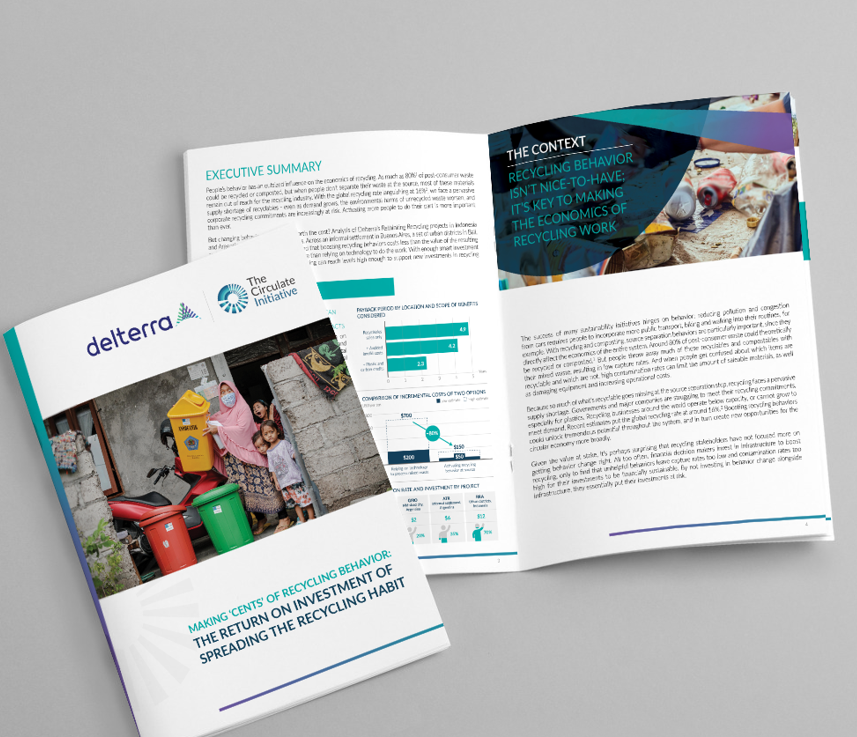
In partnership with The Circulate Initiative, we have gathered and conducted research on the impact of behavior change in building consumer-friendly circular economies, with a particular focus on waste management and recycling services.
Reports
Report
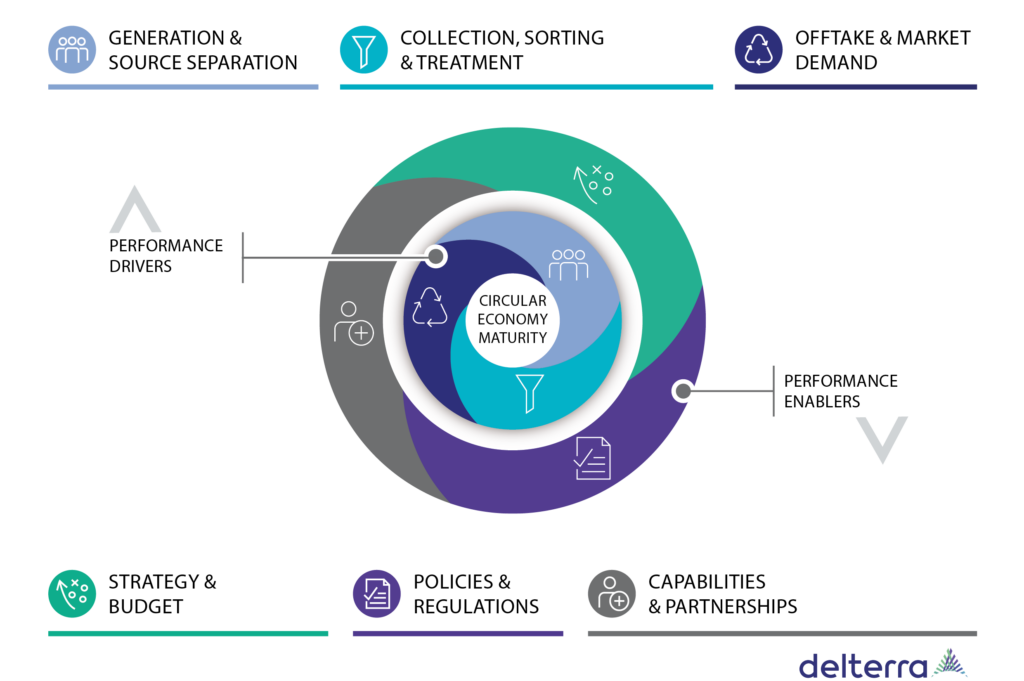
To support cities in making smart investments to divert their waste into the circular economy, Delterra has defined six interdependent dimensions of a holistic integrated waste management system. This framework is intended to break down the ambiguity of the circular economy transition for the waste management and recycling space, as these are two of the circular economy domains over which a city has the greatest control.
– whether that’s working with CPG companies to discover new uses for previously non-recycled plastics, to working with farms on ways to put organic material into productive use.
Report
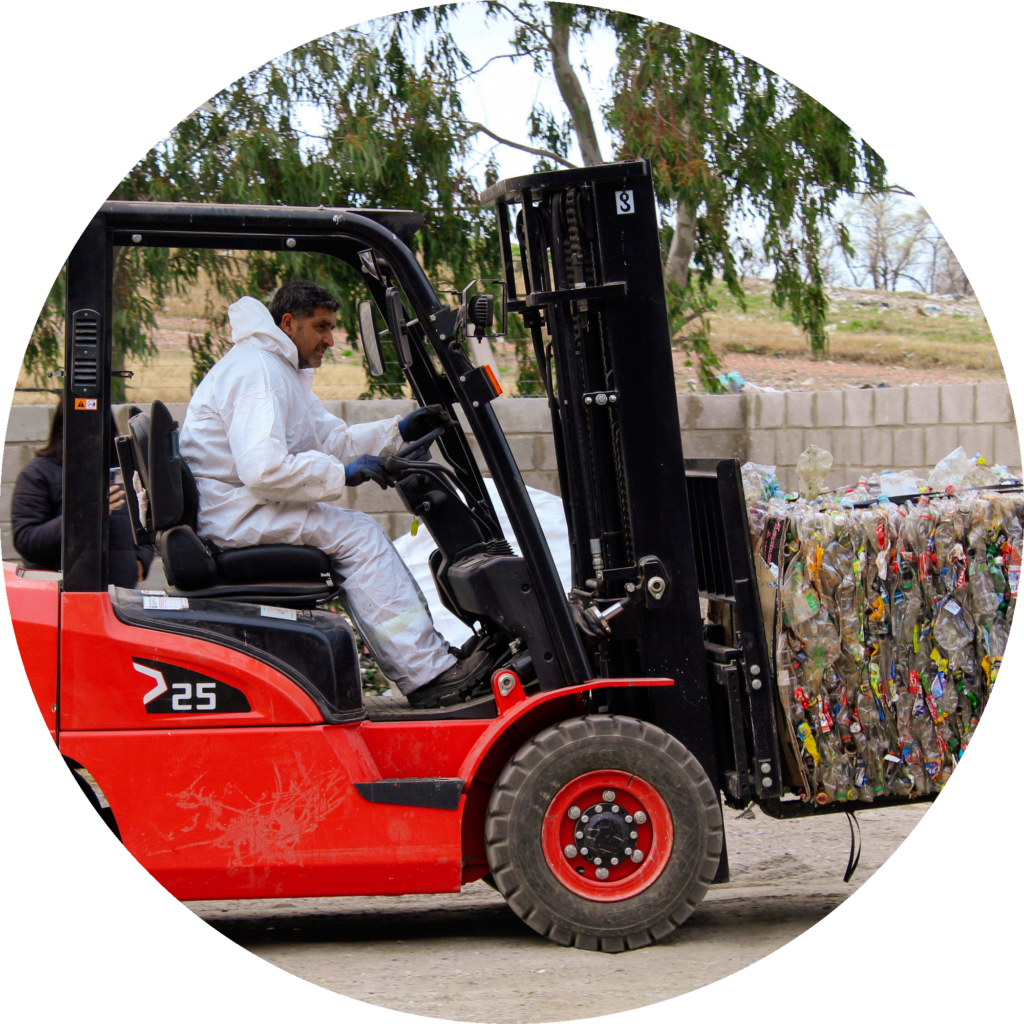
As part of the Circular Cities Report Series, our Offtake & Market Demand report showcases the importance and examples of putting material back into productive use.
Report
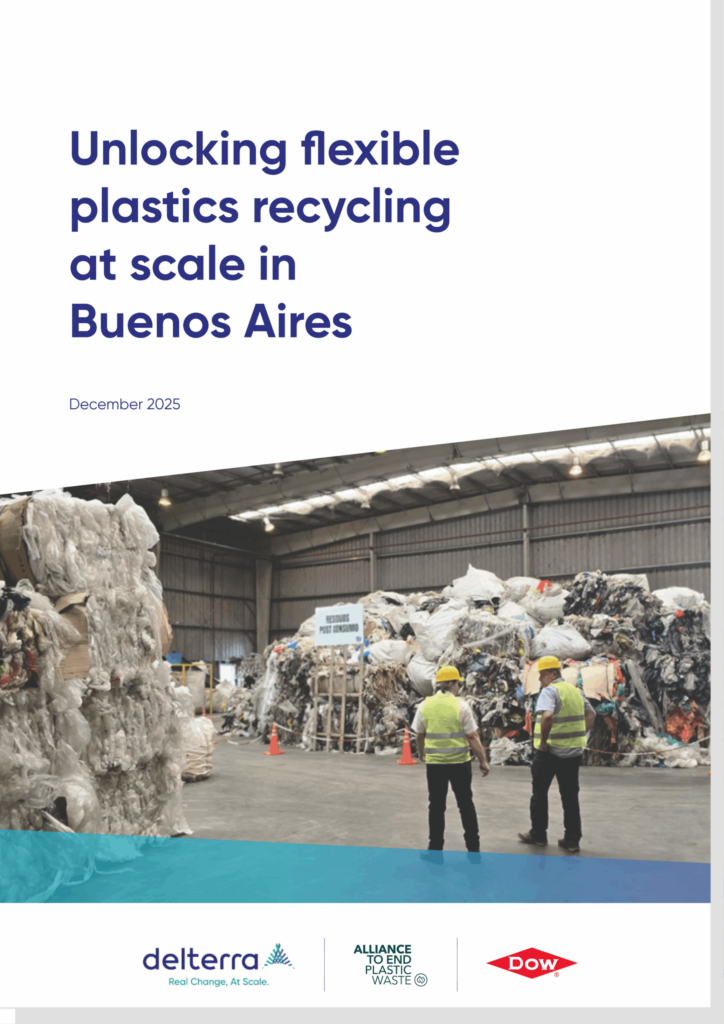
Unlocking Flexible Plastics Recycling
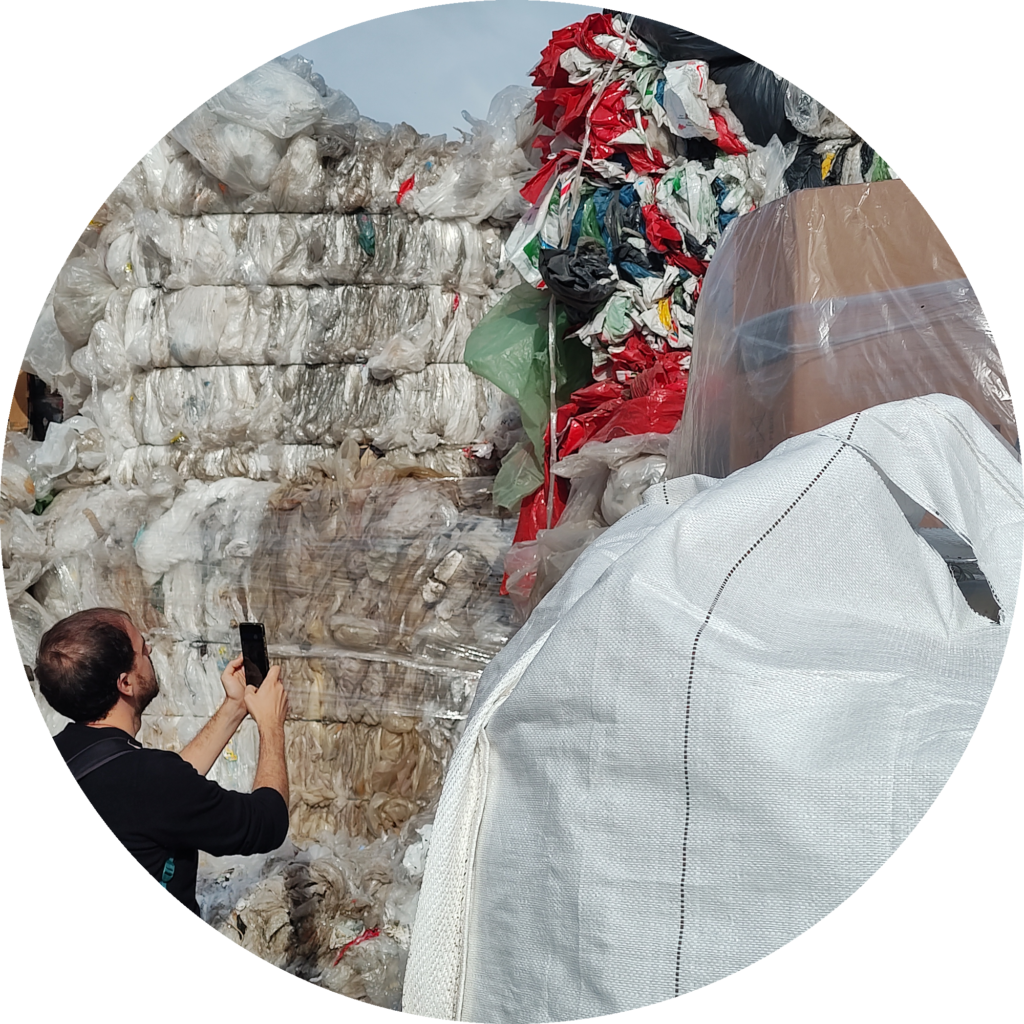
Developed through a two-year initiative led by Delterra in partnership with Dow and the Alliance to End Plastic Waste, this project outlines how flexible plastics recycling can become both technically feasible and economically viable when the right incentives, operations and demand signals align.
Copyright © 2026 Delterra. All rights reserved.
Delterra is a 501(c)(3) public charity.