Reducing food waste in cities creates jobs while dramatically cutting methane emissions. The time to scale investment is now, every city in the world has a financial imperative to act.
Reducing food loss and waste is one of the fastest and most cost-effective climate solutions available today. Up to 40% of food produced for human consumption is lost or wasted, creating impacts that go far beyond disposal: natural resources are wasted, greenhouse gas emissions increase and opportunities to strengthen food security and local economies are lost.
In Indonesia, this challenge is particularly significant. Food waste represents the largest share of the country’s waste stream. Indonesia generates an estimated 23–48 million metric tons of food waste each year—equivalent to 4–5% of the country’s GDP—and responsible for up to 7.3% of national greenhouse gas emissions.. At the same time, this challenge presents a major opportunity to transform food systems and waste management through more circular and sustainable approaches.
Demonstrating a Systemic Solution
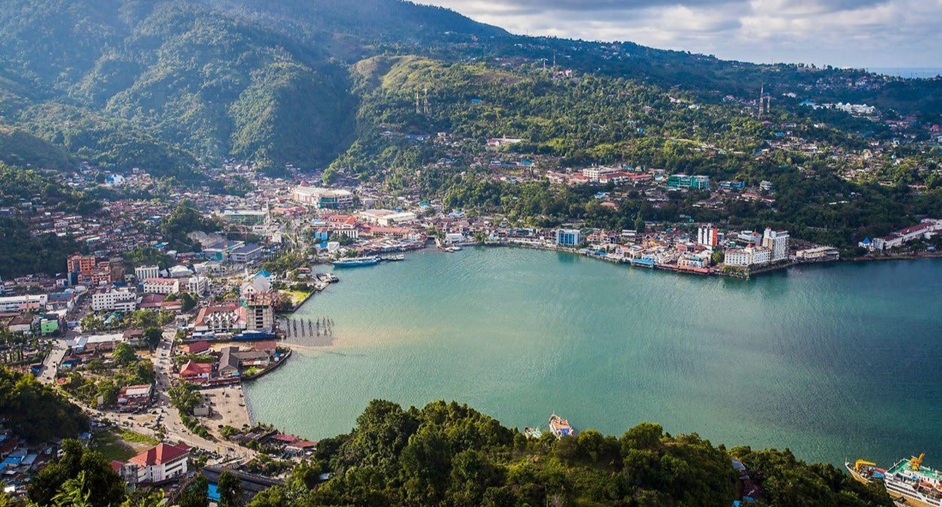
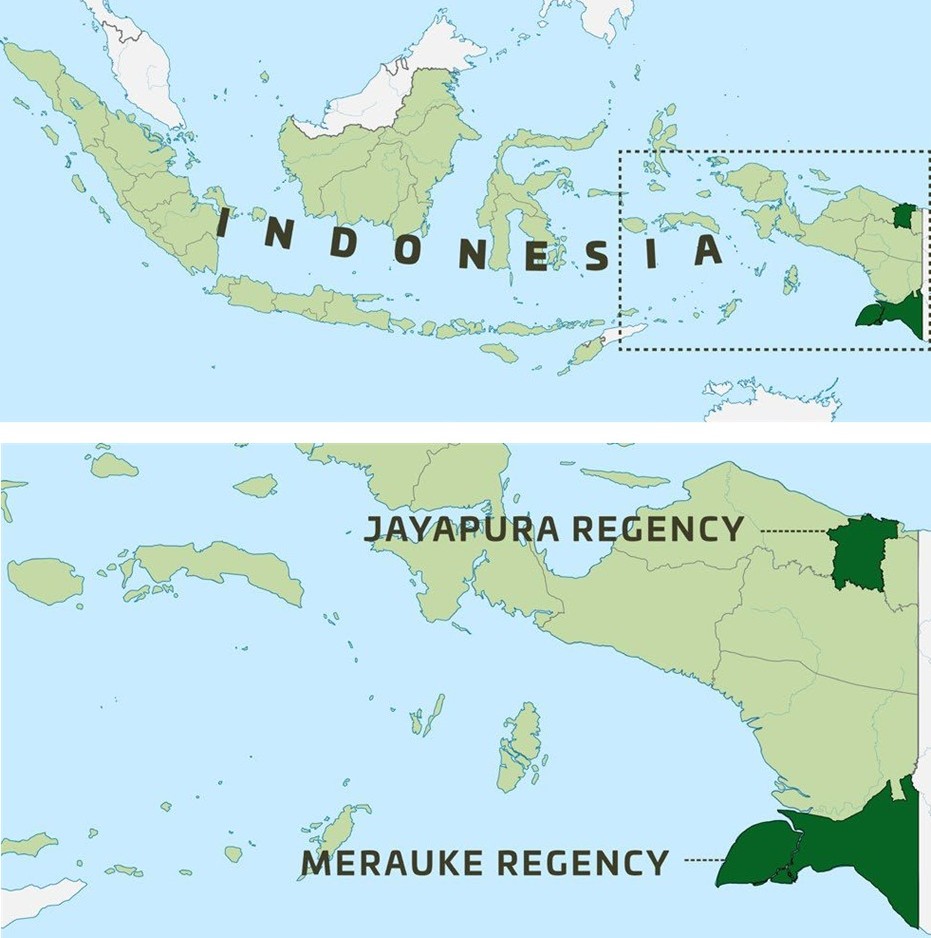
To explore how this transformation can happen in practice, WWF together with Delterra, and with support from the Global Methane Hub, implemented a systemic approach to food waste reduction and methane mitigation in Jayapura and Merauke between May and December 2025. Building on Delterra’s previous initiatives in Bali, this collaboration demonstrated how behavior change, local capacity building, and improvements to waste management systems can reduce food waste and methane emissions.
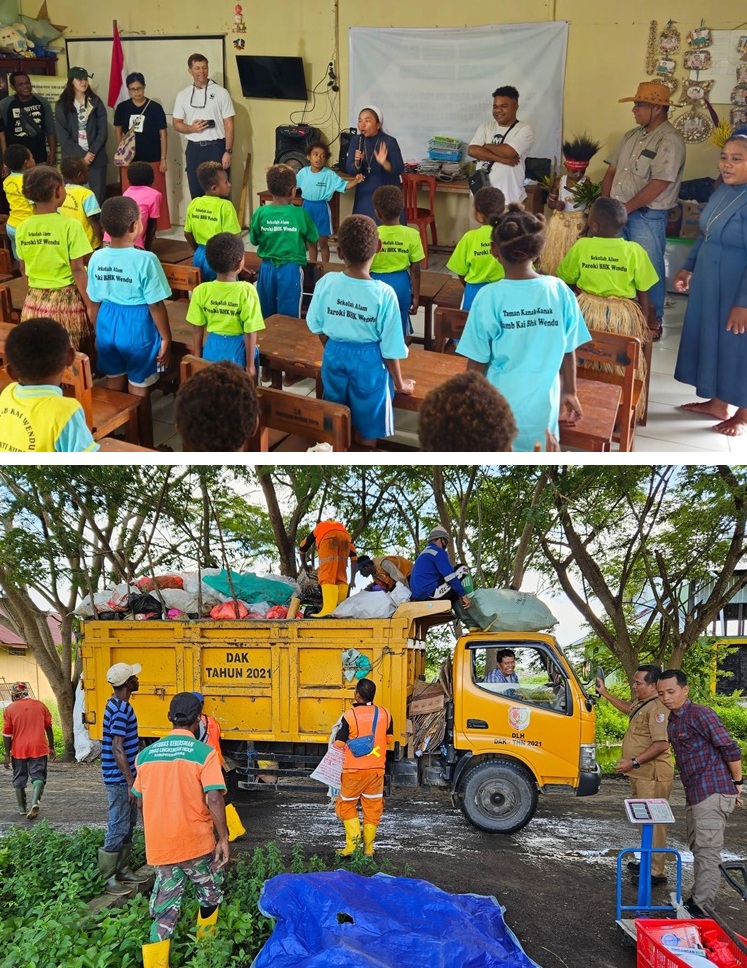 For example, in Jayapura, edible food waste per capita decreased by 44% (from 0.09 to 0.05 kg per capita), likely due to improved portion planning and meal management. In contrast, edible food waste in Merauke increased from 0.02 to 0.06 kg per capita, driven by a seasonal surplus of mangoes, increased rice leftovers, and uneaten food from children. These findings underscore the need for sustained behavior change efforts that are responsive to seasonal variations and local consumption patterns.
These regions represent a critical context: rapidly growing urban areas where waste management systems face significant challenges, but where strong community practices, local knowledge, and opportunities for locally adapted solutions already exist.
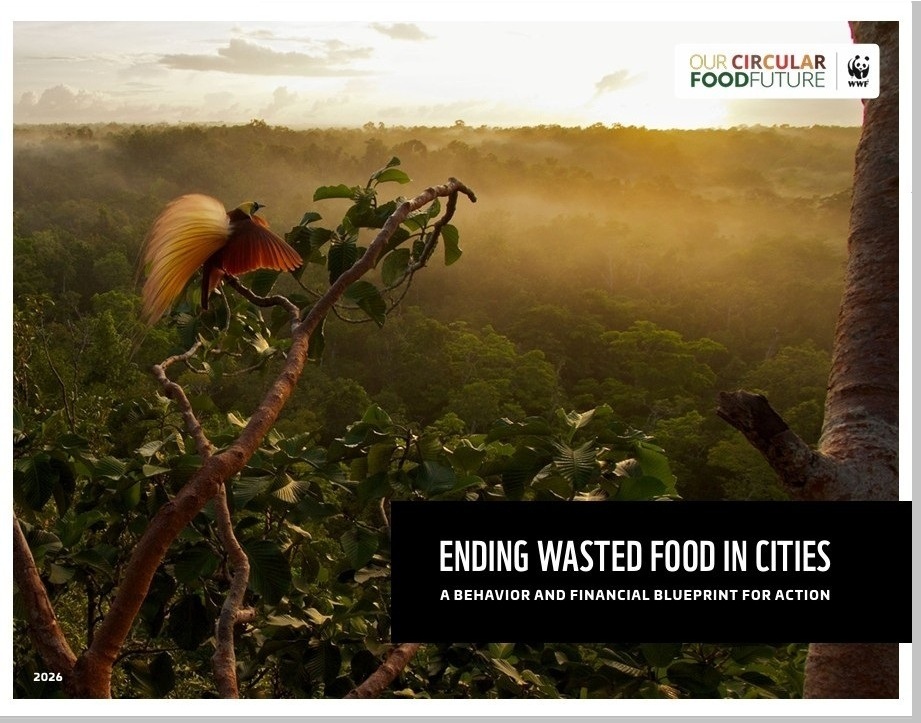
 Building on these lessons, the new report “Ending Wasted Food in Cities: A Behavior and Financial Blueprint for Action” presents a practical framework that can be applied by cities around the world.
The blueprint recognizes that every city has different realities, resources, and challenges, but identifies common principles to drive transformation: understanding local data, engaging communities, strengthening waste management systems and implementing investments in a gradual and strategic way.
Toward More Circular Cities
Food waste is not only a waste management problem, but also a systemic challenge that requires new ways of thinking about production, consumption and resource management
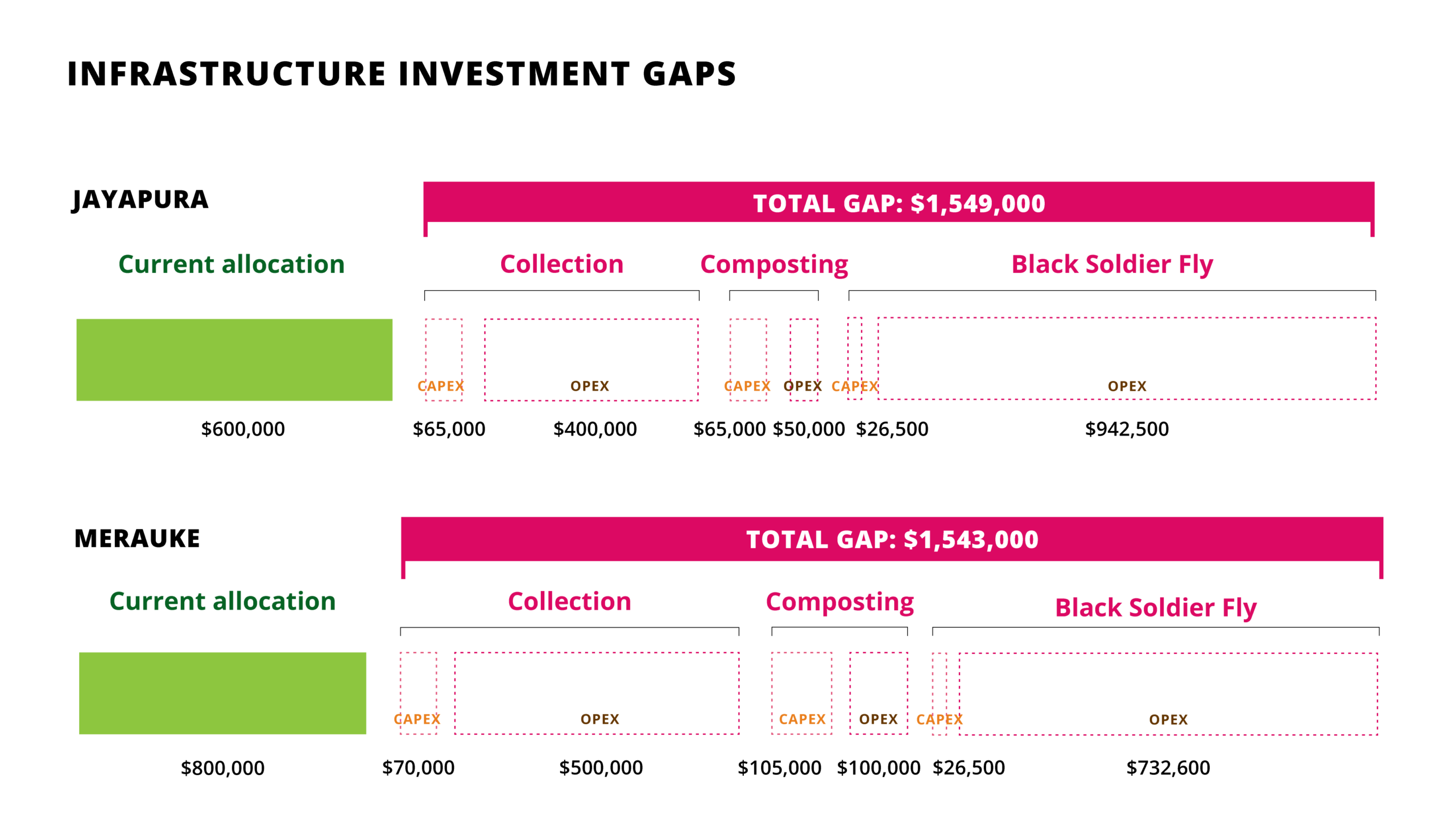
The lessons from Jayapura and Merauke demonstrate that meaningful progress is possible, even in low-infrastructure settings, when solutions combine data, collaboration, local knowledge and strategic investment. By scaling investments in organic waste infrastructure and behavior change, the two cities could reduce projected methane emissions by 62% and 52%, respectively, by 2045. These investments would also create jobs and stimulate local economic development by supporting industries such as composting and Black Soldier Fly production, which in turn strengthen agriculture and advance sustainable development.
This challenge extends far beyond Indonesia. WWF research estimates that enabling the world’s 200 largest cities to adopt composting and divert organic waste from landfills would require approximately US$160 billion in investment over the next decade, based on projected population growth. The blueprint presented in this report provides practical tools and insights to help cities around the world transform food waste from a growing environmental challenge into an opportunity for climate action, community resilience and sustainable development.
The full report is now available. Download it and discover how cities can accelerate the transition toward more circular food and waste systems 🔄